Follow Me On Social Media!
Authentic Miso Soup: Easy 15-Minute Comfort in a Bowl!

Introduction to Authentic Miso Soup – 15 Min!
Picture yourself coming home after a long day. The chill in the air makes you yearn for something warm and comforting. This is where authentic miso soup comes into play. Originating from Japan, miso soup is more than just a dish; it’s a tradition, a comforting hug in a bowl that brings warmth and nourishment. With a simple base of umami-rich miso paste, this recipe can be whipped up in just fifteen minutes, making it perfect for busy young professionals who cherish good food without the hassle.
When you sip on a bowl of authentic miso soup, you’re experiencing a centuries-old culinary practice that has been cherished for its health benefits and delicious flavor. The best part? You can create your version with just a few quality ingredients. The combination of miso, seaweed, tofu, and fresh scallions works together to provide a blend of flavors and textures that is truly satisfying.
What makes Authentic Miso Soup special?
The beauty of authentic miso soup lies in its versatility and nutritional value. Miso, a fermented soybean paste, is rich in probiotics, making it a gut-friendly choice. Whether you’re feeling under the weather or just need a quick meal, this soup is both comforting and revitalizing.
Key ingredients bring this beautiful soup to life:
-
Miso Paste: The star ingredient, miso, transforms simple broth into a complex flavor bomb. I recommend using white or yellow miso for a milder taste that’s perfect for beginners.
-
Dashi: This Japanese stock adds depth of flavor. You can make it from scratch or opt for instant dashi powder for a quicker route—both options are easy and accessible.
-
Tofu: Soft or firm, tofu absorbs the flavors of the broth beautifully. It adds protein and makes the soup heartier.
-
Seaweed: Wakame seaweed not only imparts a subtle oceanic taste but also adds essential nutrients. Just a small amount rehydrates nicely in the soup.
-
Scallions: Fresh scallions provide that much-needed crunch and a pop of color to the dish.
In just fifteen minutes, you can create a bowl of authentic miso soup that nurtures both body and soul, making it a staple in any young professional’s kitchen. Grab your ingredients, and let’s get cooking!
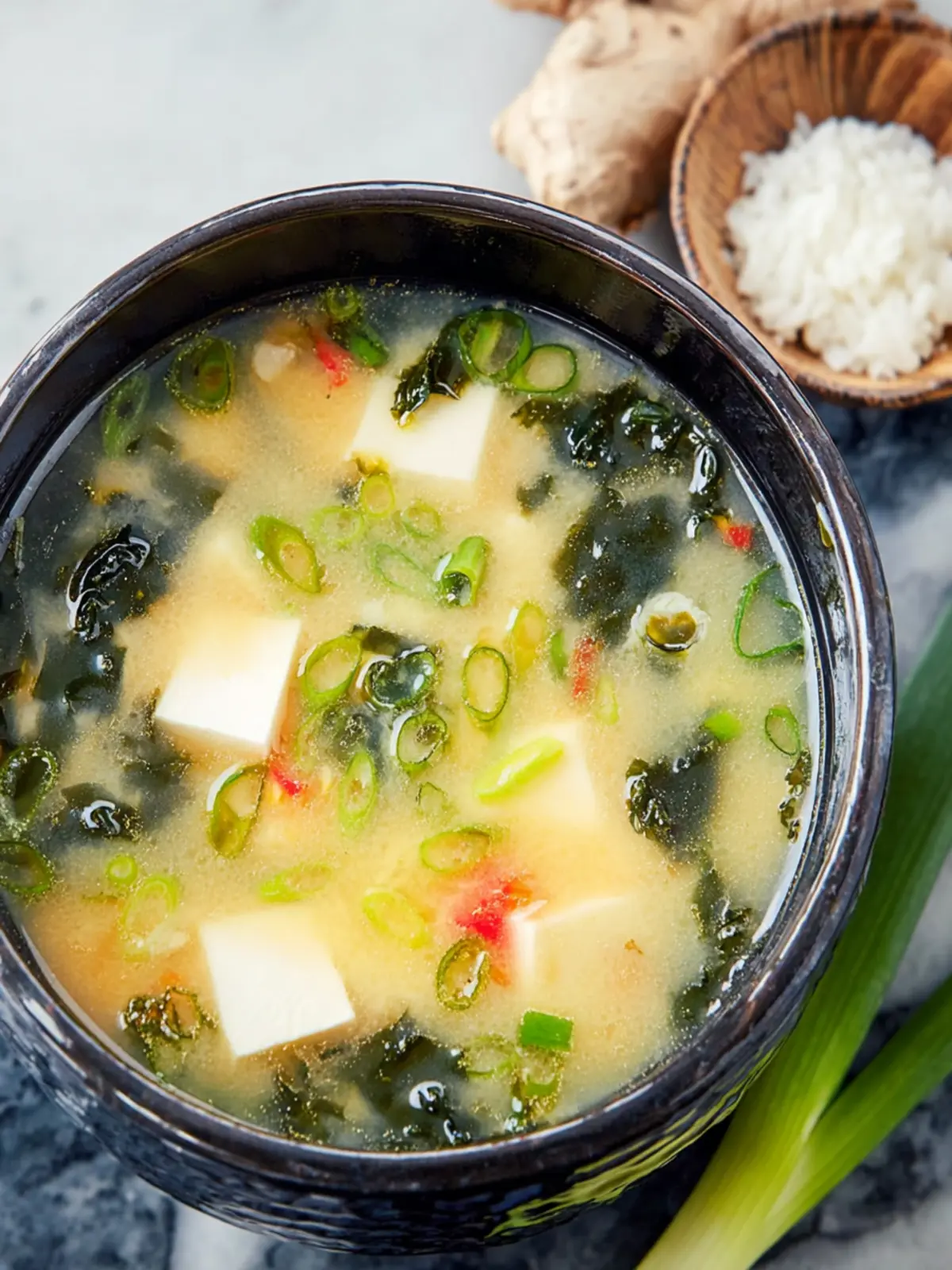
Key Ingredients for Authentic Miso Soup
Miso soup is a beloved dish in Japanese cuisine, and the key ingredients play an essential role in crafting its rich, umami flavor. Each component contributes to the warmth and comfort that this dish is known for.
-
Dashi: This traditional Japanese broth is the foundation of authentic miso soup. Made from kombu (dried seaweed) and bonito flakes, dashi brings a depth of flavor that is simply irreplaceable. You can make it from scratch or use instant dashi granules for a quick option.
-
Miso Paste: The superstar of this dish! Miso paste is fermented soybeans that come in various types, from white (milder) to red (stronger). Choosing the right one adds a unique flavor profile, so opt for a good-quality miso that excites your taste buds.
-
Tofu: Cubed silken or firm tofu adds protein and a creamy texture. Tofu absorbs the flavors of the miso and dashi, creating a delightful experience with each spoonful.
-
Green Onions: Finely chopped green onions not only garnish the soup but also add a fresh crunch that brightens the overall flavor.
-
Seaweed: Wakame is the traditional seaweed used in miso soup, contributing a slightly sweet flavor and a velvety texture. It’s packed with nutrients, making your soup not just delicious but also healthy.
Each ingredient is a piece of the puzzle, harmonizing beautifully to create the authentic miso soup experience you crave. Enjoy crafting this bowl of comforting goodness!
Why You’ll Love This Recipe
When you discover the art of authentic miso soup, you unlock a world of umami flavors that will elevate your meal experience. This cozy dish embraces simplicity while delivering a comforting warmth that is perfect for any season. Picture this: after a long day, you come home to the soothing aroma of miso soup simmering on the stove. Doesn’t that sound inviting?
Here’s why you’ll fall head over heels for this recipe:
-
Quick and Easy: In just 15 minutes, you can whip up this delightful soup, making it an ideal choice for busy weeknights or when you need a comforting touch after a hectic day.
-
Healthy and Nutritious: Packed with nutrients, miso is a powerhouse of probiotics that can aid digestion and boost your immune system. Coupled with tofu and seaweed, this dish becomes a nutrient-rich option that doesn’t skimp on flavor.
-
Versatile and Customizable: One of the best parts of authentic miso soup is that you can easily tweak it to your taste. Add seasonal vegetables or proteins, and you can create a personalized bowl that fits your cravings.
-
Wholesome Comfort: There’s nothing quite like a warm bowl of miso soup to nourish your body and soul. Its rich, savory broth makes it the ultimate comfort food.
Dive into this authentic miso soup recipe, and let your taste buds celebrate!
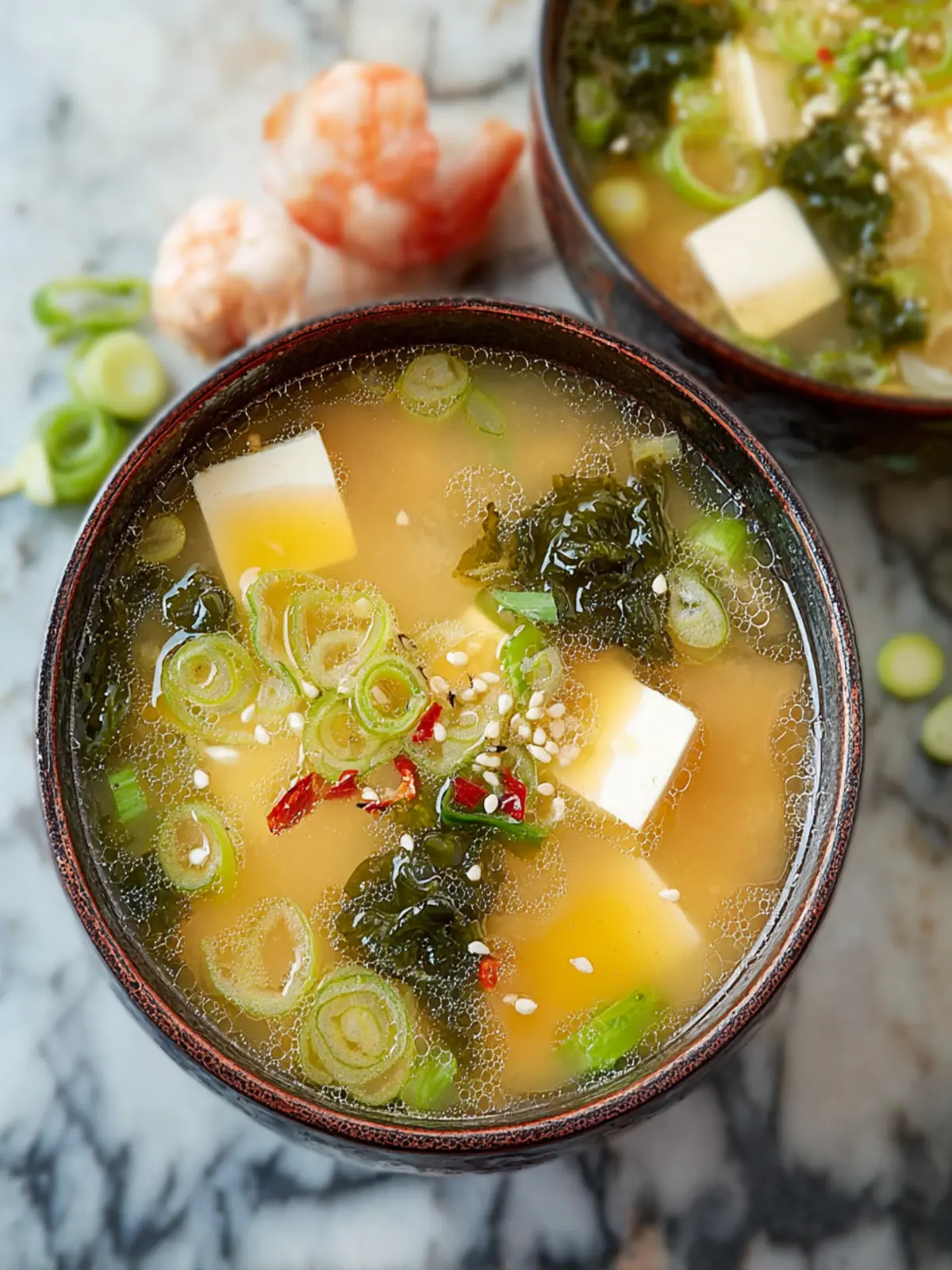
Variations
Exploring the world of authentic miso soup opens up an exciting array of variations that can suit different tastes and dietary preferences. The beauty of this dish lies in its versatility. Here are a few enjoyable twists to try out!
-
Protein Additions: While tofu is a classic ingredient, feel free to mix it up with other sources of protein. Chicken, shrimp, or even pieces of fish can elevate your miso soup, making it a heartier meal.
-
Vegetable Medley: Experiment with different vegetables based on what’s in season or what you have on hand. Carrots, spinach, and bell peppers can add a colorful crunch. How about adding some mushrooms for an earthy touch? The umami flavor pairs beautifully with the miso.
-
Noodle Integration: Incorporating noodles can transform your soup into a filling meal. Whether you choose soba, udon, or rice noodles, cooking them right in the broth allows them to absorb all that savory goodness.
-
Flavor Boost: Try enhancing the broth with unique ingredients like sesame oil or chili paste, giving it a delightful kick. If you love a smoky flavor, consider adding a dash of smoked salt or a piece of kombu in the brewing process.
-
Regional Touch: Each region in Japan has its own style of miso soup. For a Kyushu style, use red miso and add ingredients like sweet potato and local greens.
These variations can help you personalize your authentic miso soup, making it as unique as your taste buds!
Cooking Tips and Notes
Creating authentic miso soup in just 15 minutes is a revelation, and with a few tips, you can elevate your experience even further. Here’s what I discovered on my culinary journey.
Choosing Quality Miso
Miso is the heart of authentic miso soup. Opt for high-quality, traditional miso paste — either white (shiro) for a milder flavor or red (aka) for more depth. When I first tried making miso soup, I learned that the type of miso drastically changes the taste, so don’t hesitate to experiment!
Preparing Dashi
While store-bought dashi is convenient, making it from scratch can amplify the umami in your soup. A simple combination of kombu (dried kelp) and bonito flakes (dried fish) creates a beautiful stock that you’ll notice right away.
Vegetable Add-ins
Feel free to get creative with your vegetables. I love adding fresh mushrooms or leafy greens like spinach, as they lend a burst of color and nutrients. Remember, keep them sliced thin for a quick cook time!
Tofu Tips
When adding tofu, choose firm or extra-firm varieties to maintain their shape. Press out excess moisture before adding them to the broth to enhance their flavor.
Serving Suggestions
For a touch of elegance, garnish your authentic miso soup with chopped green onions or sesame seeds, creating a visual feast that also enriches the flavor profile. Enjoy this delightful bowl of goodness!
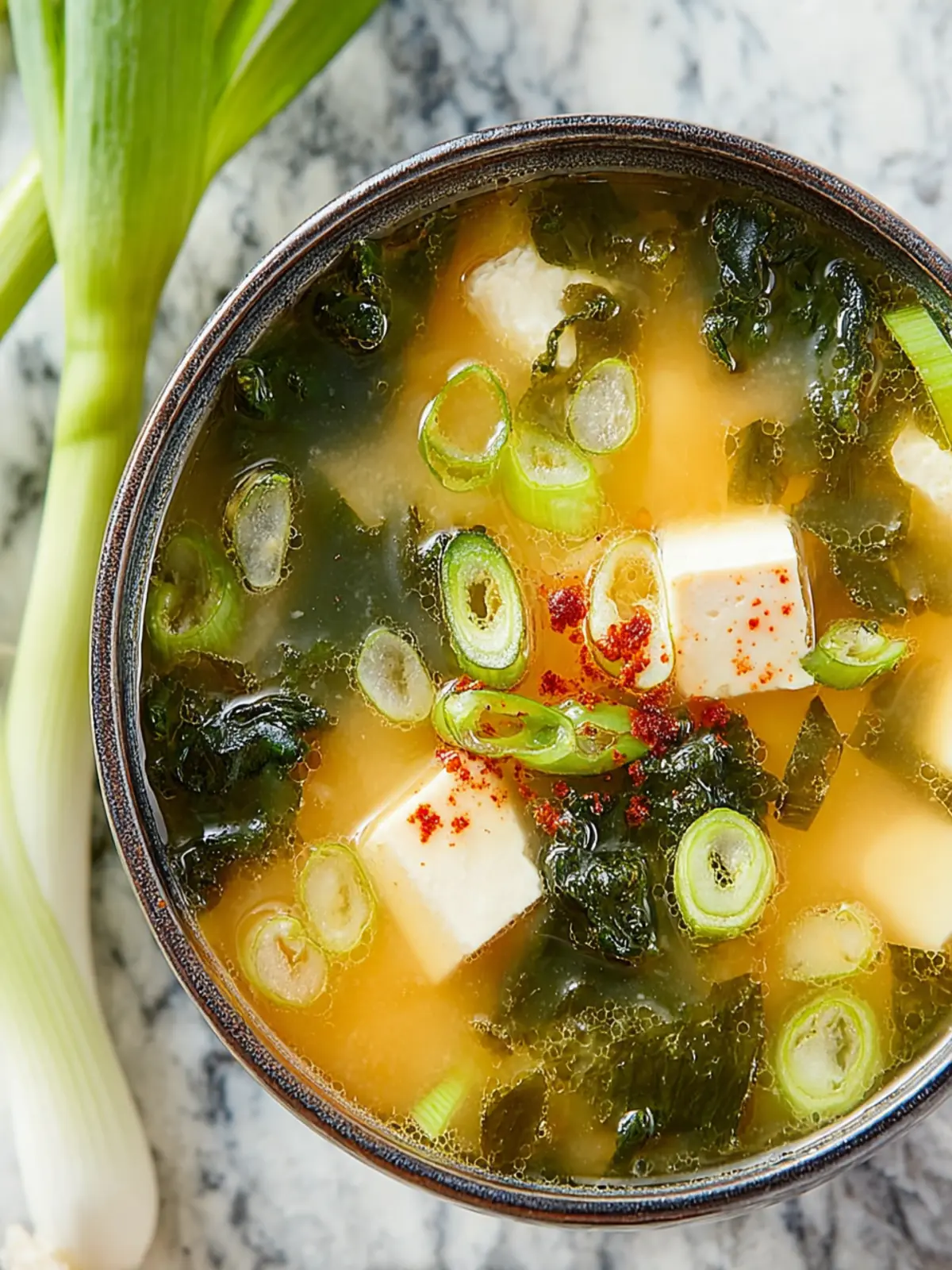
Serving Suggestions
Enjoying a warm bowl of authentic miso soup is a delight, but there are ways to elevate this classic dish even further. Try adding toppings that can enhance both the flavor and presentation of your soup:
- Tofu: Soft or silken tofu cubes not only add protein but also absorb the flavors of the broth beautifully.
- Seaweed: Wakame is a traditional choice, and it brings an oceanic quality that complements the miso perfectly.
- Green Onions: A sprinkle of finely chopped green onions adds a fresh, crunchy texture and a pop of color.
- Mushrooms: Sautéed shiitake or enoki mushrooms can bring an earthy depth to your soup.
- Veggies: Lightly steamed bok choy or spinach can introduce more nutrients and heartiness.
- Serve with Rice: Miso soup pairs wonderfully with a side of steamed white rice, adding a filling element to your meal.
These simple touches can transform a cozy bowl of authentic miso soup into a satisfying and balanced meal—perfect for lunch or dinner!
Time Breakdown for Preparation
Preparation Time
Ready to dive into authentic miso soup? Spend about 5 minutes gathering and preparing your ingredients. Chop your green onions, slice your tofu, and have everything within reach for a smooth cooking experience.
Cooking Time
Now, for the heart of this dish: the cooking time is a quick 10 minutes. With your ingredients prepped, it’s all about combining them skillfully in a pot and allowing the flavors to meld.
Total Time
In just 15 minutes, you’ll have a comforting bowl of authentic miso soup ready to savor! This speedy process makes it a delightful choice for busy weeknights or a light lunch. Enjoy!
Nutritional Facts for Authentic Miso Soup
Making authentic miso soup isn’t just about the delightful flavors; it’s also a nourishing choice for your body. Here’s a quick overview of its nutritional profile:
Calories
A standard serving of authentic miso soup typically contains around 40 calories. This makes it a light yet satisfying option, perfect as a starter or a lighter meal.
Protein
With approximately 3 grams of protein per serving, authentic miso soup provides a decent amount of plant-based protein, especially when you include tofu. This helps keep you full and supports muscle maintenance.
Sodium
Be mindful of sodium intake; a serving may contain about 700 mg. While miso delivers flavor, consider using low-sodium miso or limiting additional salt for a healthier option. Enjoy your bowl of warmth while keeping health goals in mind!
FAQs about Authentic Miso Soup
If you’ve recently taken the plunge into the delicious world of authentic miso soup, you’re likely brimming with questions about this comforting dish. Miso soup isn’t just a starter; it’s a culinary tradition that warms the soul. Let’s dive into some common queries to enhance your experience with this delightful Japanese classic.
Can I make miso soup vegetarian?
Absolutely! While traditional miso soup often includes dashi, which is typically made from fish, you can easily craft a vegetarian version. Simply substitute dashi with a vegetable broth or make your own by simmering dried shiitake mushrooms, kombu (dried kelp), and vegetables like carrots and onions for a rich, umami flavor. You’ll still enjoy that signature miso taste without any animal products.
How long can I store leftover miso soup?
Stored properly in an airtight container, your leftover authentic miso soup can last for about 3-5 days in the refrigerator. Just keep in mind that while you can store the broth, adding tofu or other delicate ingredients beforehand may affect the overall texture once reheated. If you can, store those add-ins separately!
What can I serve with miso soup?
Miso soup pairs well with a variety of dishes, making it a versatile addition to any meal. Popular choices include:
- Rice: A bowl of steamed rice complements the soup beautifully.
- Sushi: The fresh flavors of sushi roll perfectly alongside warm miso.
- Salads: A simple seaweed salad or a vibrant cucumber salad can enhance the meal.
- Grilled Fish: A light protein like grilled salmon is a classic accompaniment.
Now that you’re armed with insights, you’re all set to enjoy a heartwarming bowl of authentic miso soup!
Conclusion on Authentic Miso Soup
Crafting authentic miso soup allows you to reconnect with traditional Japanese flavors right in your kitchen. With just a few simple ingredients, this delightful dish embodies warmth, comfort, and nourishment—qualities that resonate beautifully in the lives of young professionals. As you savor each spoonful, consider personalizing your broth by adding local ingredients or seasonal veggies. Perhaps share your creation with friends or enjoy a quiet moment to yourself. Remember, the true essence of miso soup lies in its simplicity, inviting you to become an artist in your own culinary journey, one bowl at a time.
Print
Miso Soup with Tofu and Seaweed
- Total Time: 40 minutes
- Yield: 4 servings 1x
- Diet: Vegetarian
Description
A comforting miso soup made with kombu, bonito flakes, tofu, and seaweed.
Ingredients
Scale
- 5 cups water
- 1 piece kombu (dried kelp)
- 1 packed cup dried bonito flakes (or 1 tablespoon hondashi powder)
- 4 tablespoons red or white miso paste
- 1 package firm or extra firm tofu (cubed)
- ¼ cup dried wakame seaweed
- 2 scallions (thinly sliced (whites and greens))
Instructions
- In a pot, add the water and kombu and heat over high heat until the water just begins to bubble. Turn the heat to medium low and let the kombu cook for 10 minutes until the kombu has just softened and remove. Do not overcook the kombu, otherwise it will be slimy and turn bitter.
- Add the bonito flakes or hondashi powder. Bring to a boil and simmer for 15-20 seconds until the powder has dissolved or the flavor from the flakes has been extracted into the broth. If using bonito flakes, use a fine mesh strainer to strain out the bonito flakes into a large measuring cup.
- Mix the miso paste into the broth and mix using a whisk until dissolved. Alternatively, press the miso paste through a fine mesh strainer.
- Add the cubed tofu, dried wakame seaweed and scallions to the broth. Heat over medium heat until the seaweed has been rehydrated and the tofu is warmed through. Serve immediately and enjoy!
Notes
- This soup can be modified with other vegetables or proteins as desired.
- Ensure not to overcook the kombu to maintain its flavor.
- Prep Time: 10 minutes
- Cook Time: 30 minutes
- Category: Soup
- Method: Stovetop
- Cuisine: Japanese
Nutrition
- Serving Size: 1 cup
- Calories: 150
- Sugar: 1g
- Sodium: 800mg
- Fat: 6g
- Saturated Fat: 1g
- Unsaturated Fat: 2g
- Trans Fat: 0g
- Carbohydrates: 15g
- Fiber: 2g
- Protein: 12g
- Cholesterol: 0mg