Follow Me On Social Media!
Gochujang Noodles: Irresistibly Bold and Simple to Make

Introduction to Gochujang Noodles
Gochujang noodles bring an exciting twist to your weeknight meals, melding the rich and spicy flavors of Korean cuisine with the comfort of noodles. Imagine twirling your fork around a bowl of steaming hot noodles that are coated in a sweet and spicy sauce, punctuated by the depth of gochujang, Korea’s famed fermented chili paste. Each bite transports you to the bustling streets of Seoul, where food is not just nourishment but a celebration of culture and community.
The gochujang brings a unique umami flavor that you simply can’t replicate with other sauces. Whether you’re a spice lover or just beginning your culinary journey into the world of Korean flavors, these noodles are an absolute must-try. The balance of sweetness, heat, and savory undertones makes them incredibly versatile; you can easily adapt the recipe to include your favorite proteins, veggies, or additional toppings, creating a personalized dish that suits your taste.
What makes Gochujang Noodles a must-try?
-
Flavor Explosion: The combination of gochujang with other ingredients creates a rich, complex flavor profile. This isn’t just another noodle dish; it’s an adventure for your taste buds.
-
Quick and Easy: With just a few key ingredients and a matter of minutes, you can whip up a delicious meal that feels indulgent yet is simple enough for any weeknight.
-
Healthy Options: By incorporating fresh vegetables and lean proteins, you can boost the nutritional content while still enjoying that comforting noodle dish you crave.
-
Customizable: One of the best aspects of gochujang noodles is how easily you can make them your own. Add anything from sautéed bell peppers to grilled chicken, and you’ll have a dish that never gets boring.
Making gochujang noodles at home allows you to embrace a piece of Korean culture. As you stir the noodles into the spicy, glossy sauce, you’ll find it hard not to smile, anticipating the meal ahead. Each bowl is a chance to explore flavors that resonate with tradition while keeping it fun and modern. Get ready to enjoy this delightful dish that’s sure to become a regular fixture in your culinary repertoire!
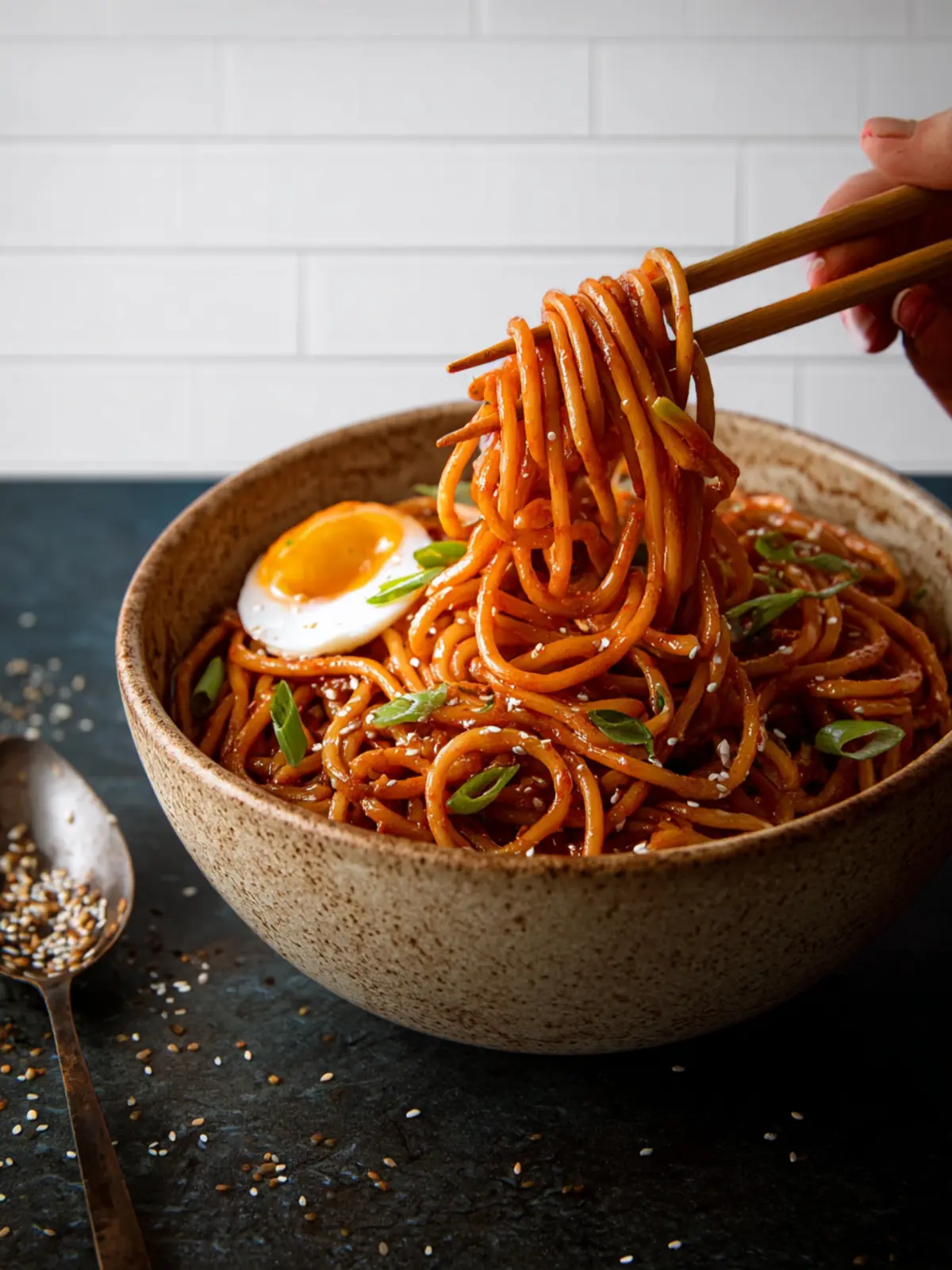
Key Ingredients for Gochujang Noodles
Gochujang noodles are truly a culinary adventure, blending the rich, spicy flavors of Korean cuisine with the satisfying chew of noodles. To make your dish extra special, you’ll want to gather these essential ingredients.
-
Gochujang: This fermented chili paste is the star of the show, bringing a dramatic depth of flavor and a bit of heat to your noodles. Look for high-quality gochujang for the best results; it adds the perfect kick that tantalizes the taste buds.
-
Noodles: I prefer using fresh udon or rice noodles for their robust texture, but you can easily swap them for your favorite type, whether that be soba or even spaghetti in a pinch.
-
Vegetables: A colorful mix of bell peppers, carrots, and bok choy not only adds freshness and crunch but also brightens up the dish visually. Feel free to modify based on what’s in season or what you have on hand.
-
Protein: Whether you choose tofu, chicken, or beef, adding some protein elevates the meal. If you’re in a time crunch, pre-cooked or shredded options can save the day.
-
Sesame Oil: Just a splash of this nutty oil at the end creates an irresistible aroma that enhances the overall flavor profile, making your gochujang noodles shine.
With these ingredients in hand, you’re well on your way to creating a satisfying bowl of gochujang noodles that will impress anyone lucky enough to share a meal with you!
Why You’ll Love This Recipe
If you haven’t yet tried gochujang noodles, you’re in for a delicious surprise! Imagine your taste buds dancing with a perfect blend of heat, sweetness, and savory goodness—a combination that’ll quickly make this dish a weeknight favorite.
A Flavor Explosion
The beauty of gochujang noodles lies in their vibrant, complex flavors. The core ingredient, gochujang, is a fermented chili paste that delivers a unique combination of spiciness and umami. This adds depth to every bite, making it a delight for anyone who loves a little kick in their meals.
Quick and Easy to Prepare
In today’s fast-paced world, we all need meals that are not only satisfying but also quick to prepare. This recipe is incredibly straightforward. In just about 30 minutes, you can whip up a restaurant-quality dish right in your own kitchen. Perfect for busy weeknights or that last-minute dinner party!
Customizable to Your Taste
One of the best aspects of gochujang noodles is their versatility. Feel free to throw in whatever veggies you have on hand—think bell peppers, snap peas, or even shredded carrots. You can adjust the spice level according to your preference, and if you’re plant-based, simply swap in tofu or mushrooms for an extra boost of protein.
Once you try this dish, it won’t just be the noodles you fall in love with; it’ll be the experience of creating and sharing a meal that’s both comforting and exciting.
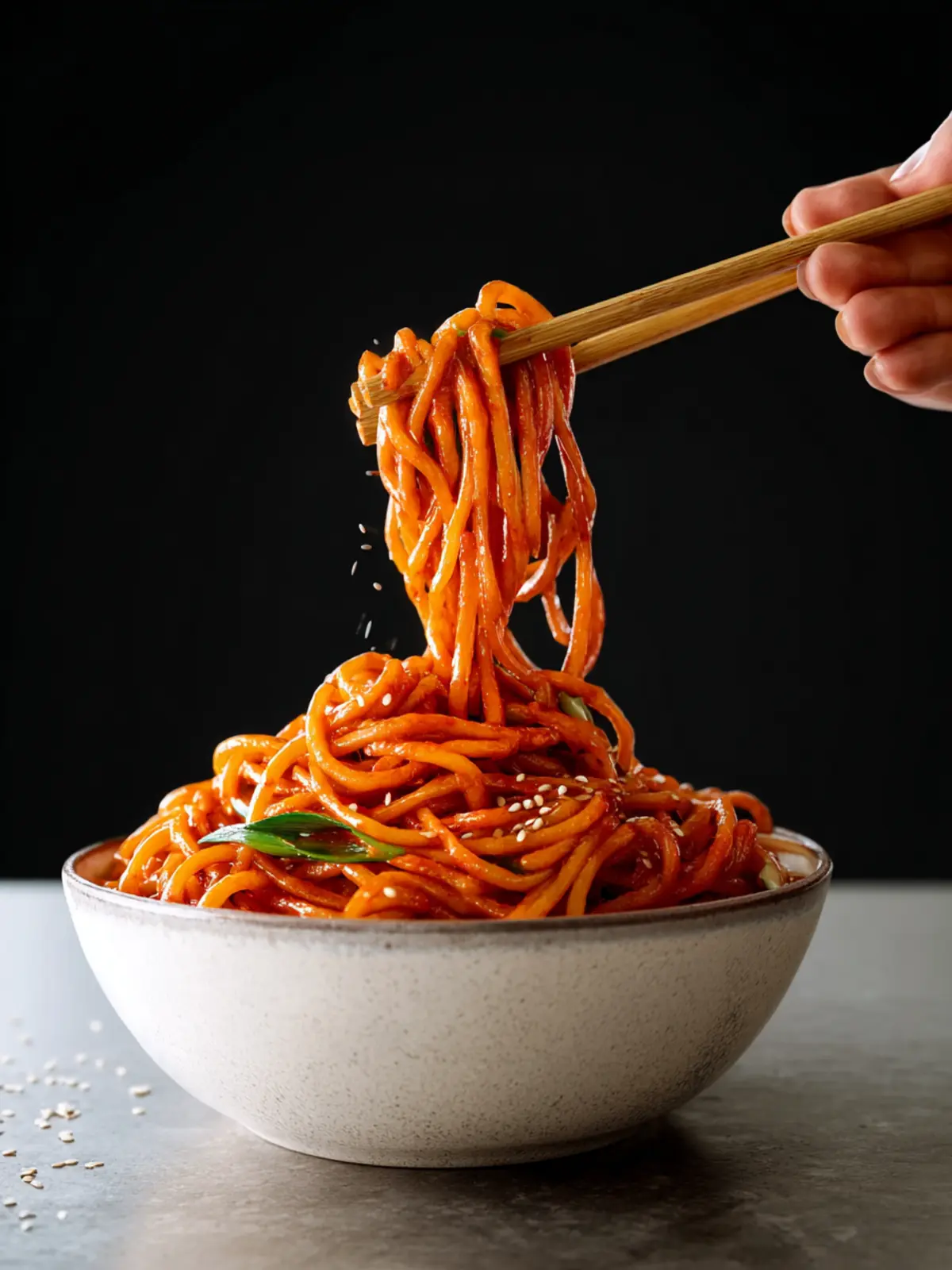
Variations to Try
Experimenting with gochujang noodles can elevate your dining experience and keep your meals exciting. Here are some delicious variations to consider!
Protein Boost
-
Chicken: Marinate chicken in soy sauce and ginger, then grill or sauté it before tossing it with your noodles. The slightly smoky flavor complements the richness of the gochujang beautifully.
-
Tofu: Opt for crispy tofu for a plant-based protein addition. Press and cube the tofu, then pan-fry until golden before mixing it into your dish for a satisfying crunch.
-
Shrimp: If you’re in the mood for seafood, sauté shrimp in garlic and sesame oil. Toss them into your gochujang noodles for a quick and tasty twist.
Seasonal Veggies
Transform your gochujang noodles by adding seasonal vegetables. Think about incorporating:
-
Broccoli: Steamed or roasted, this adds a nice texture and a healthy crunch.
-
Bell Peppers: Slice and sauté them for a burst of color and sweetness.
-
Spinach: Add fresh spinach at the end of cooking for a vibrant pop of nutrients.
Flavor Enhancements
-
Peanut Butter: For a creamier sauce, whisk in a tablespoon of peanut butter or tahini. It deepens the flavor and adds a wonderful richness.
-
Coconut Milk: Want to dial up the creaminess? A splash of coconut milk adds a tropical twist that pairs surprisingly well with the spicy gochujang.
These variations not only personalize your gochujang noodles but also let you make the most of your pantry. Happy cooking!
Cooking Tips and Notes
The Secret to Perfect Gochujang Noodles
Gochujang noodles bring a delightful spice and umami, transforming a simple dish into something special. To achieve the best flavor, keep these cooking tips in mind.
-
Noodle Choice: While any noodle can work, I recommend using fresh noodles if you can find them. They have a delightful texture that allows them to soak up the gochujang sauce beautifully. If you can only get dried noodles, don’t worry — just be sure to cook them slightly less than package instructions for the perfect al dente bite.
-
Balancing Flavors: Gochujang is inherently spicy and sweet. Adjust the amount to suit your palate. For a milder version, start with less and taste as you go — you can always add more!
-
Add Freshness: To elevate your gochujang noodles, consider tossing in some vegetables like bell peppers, snap peas, or spinach. Both sautéing them briefly and serving them raw add a delightful crunch.
-
Garnish Smartly: A sprinkle of sesame seeds or chopped scallions adds a touch of freshness and visual appeal. Plus, they enhance the overall flavor profile beautifully.
Preparation is key! Taking note of these tips will help ensure that your gochujang noodles are not just a meal but a culinary experience you’ll want to repeat.
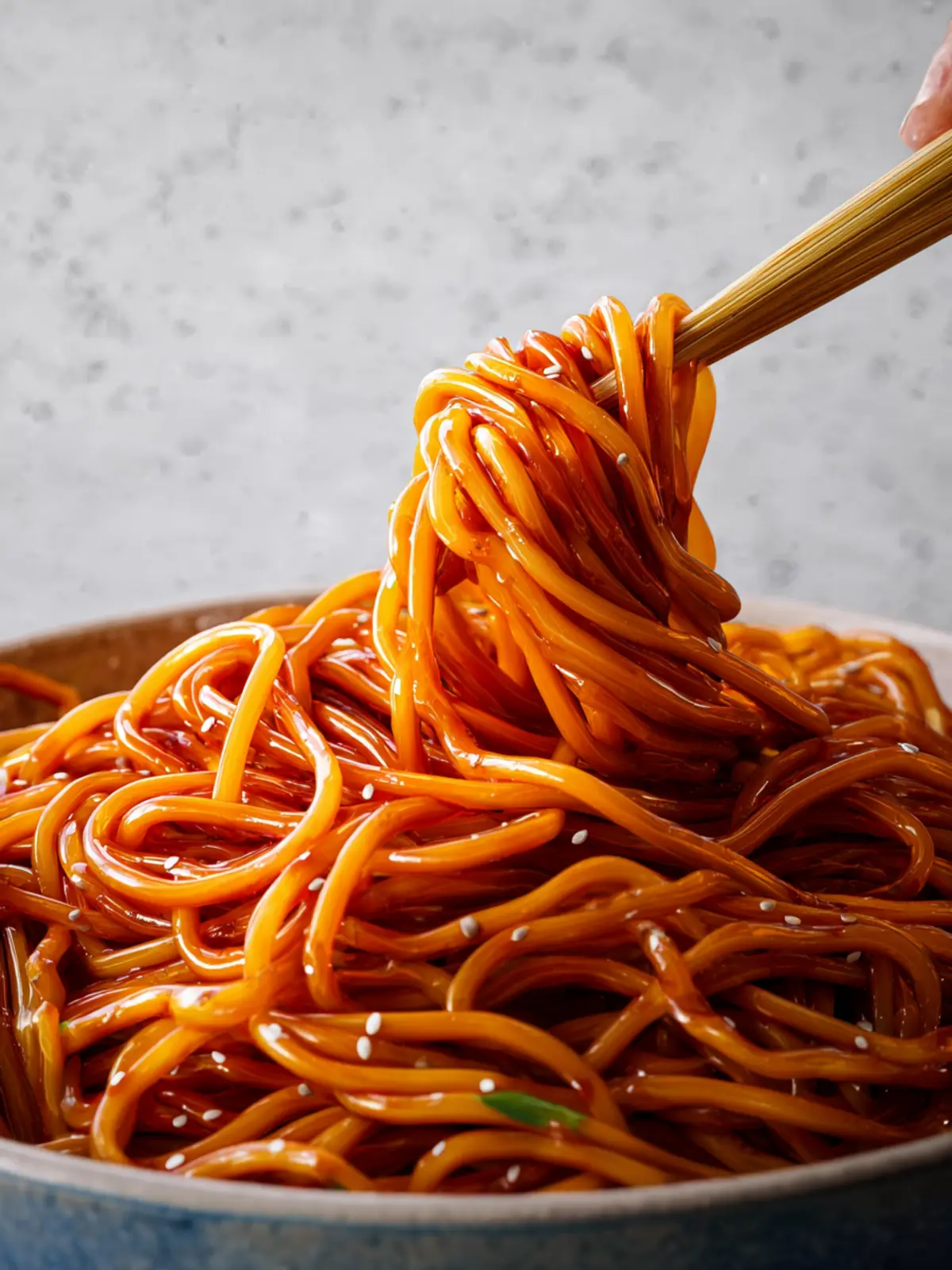
Serving Suggestions for Gochujang Noodles
Elevate your gochujang noodles experience with thoughtful serving suggestions that can transform a simple dish into a gourmet masterpiece. Imagining your dinner guests’ delight as they dig into a bowl of spicy, flavorful noodles is just the start of the fun.
Pair with Fresh Vegetables
A bright and colorful vegetable medley not only adds a delightful crunch but also balances the heat of the gochujang sauce. Consider incorporating ingredients like:
- Cucumber: Thinly sliced for refreshment.
- Bell Peppers: Both red and yellow for sweetness.
- Radishes: For a peppery bite that complements the noodles.
Garnish with Aromatics
A finishing touch can elevate the taste immensely. Try garnishing your gochujang noodles with:
- Green Onions: Chopped for a mild onion flavor.
- Cilantro: Adds a fresh, herbal note.
- Sesame Seeds: Toasted for added nuttiness.
Protein Additions
For a heartier meal, consider adding proteins like grilled chicken, shrimp, or tofu. Each option brings a different texture and flavor:
- Chicken: Marinate with soy sauce and sesame oil before grilling for an Asian twist.
- Shrimp: Quick-cooked with a sprinkle of lime for brightness.
- Tofu: Stir-fried until crispy, soaking up the flavors of the sauce.
Serve with a Side
Accompaniments such as edamame or seaweed salad can round out your meal beautifully. The slight saltiness of seaweed salad works wonders against the spiciness of the noodles.
Dive into these serving suggestions to truly savor your gochujang noodles and turn a simple dinner into a culinary adventure!
Time Breakdown for Gochujang Noodles
Crafting Gochujang Noodles is a delightful experience that doesn’t take much time out of your busy day. Let’s look at how you can effortlessly squeeze this dish into your schedule.
Preparation Time
Getting started is quick and easy! Expect to spend around 10 minutes chopping vegetables and gathering all your ingredients. A little organization goes a long way in the kitchen.
Cooking Time
Once you’re prepped, cooking the noodles and bringing all the flavors together will take about 15 minutes. It’s a wonderful chance to unwind as you watch your meal come to life.
Total Time
In just about 25 minutes, you’ll have a vibrant and flavorful bowl of Gochujang Noodles ready to enjoy. Perfect for a weeknight dinner or a casual lunch!
Nutritional Facts for Gochujang Noodles
When you whip up a delightful bowl of gochujang noodles, it’s not just about the incredible flavors; it’s also essential to consider the nutritional impact of each serving. Here’s a quick overview of the key nutritional elements that make this dish a delicious and satisfying meal.
Calories
A serving of gochujang noodles typically contains around 400 to 500 calories. This makes it a hearty option that can easily fit into a balanced diet, especially when paired with fresh vegetables or proteins.
Protein
You can expect around 12 to 15 grams of protein per serving of gochujang noodles. While this isn’t a protein powerhouse, adding ingredients like tofu or chicken can boost this number significantly.
Sodium
The sodium content in gochujang noodles varies based on the sauce and any added components, averaging about 800 to 1,200 milligrams. If you’re watching your sodium intake, consider using low-sodium broth or adjusting the amount of seasoning.
As you partake in this delicious meal, remember that mindful eating and ingredient choices can turn a tasty dish into a wholesome experience!
FAQ about Gochujang Noodles
When you dive into the world of gochujang noodles, you’re not just enjoying a meal—you’re embarking on a flavor-packed adventure that brings a delightful mix of spices and sweetness to your table. Let’s explore some common questions to help you get the most out of this delicious dish.
Can I make this dish vegetarian?
Absolutely! Transforming your gochujang noodles into a vegetarian dish is easy. Simply substitute any meat with your favorite vegetables or plant-based proteins. Tofu, mushrooms, and bell peppers work wonderfully. You can also use vegetable broth to enhance the flavors without compromising on taste.
How can I adjust the spice level?
Adjusting the spice level in your gochujang noodles can tailor the dish to your taste. For a milder flavor, reduce the amount of gochujang (the chili paste) you use. Alternatively, if you’re feeling adventurous and love heat, try adding a sprinkle of red pepper flakes or some sliced fresh chilies. Keeping a little taste test before serving can help find that perfect balance.
Can I prepare the sauce ahead of time?
Definitely! In fact, preparing the sauce in advance can intensify the flavors of your gochujang noodles. Mix your sauce ingredients and store them in an airtight container in the refrigerator for up to a week. When you’re ready to enjoy, simply heat it up, toss it with your cooked noodles, and add any additional toppings or protein you prefer. This prep can save you time during busy weeknights while still delivering a delicious meal!
Conclusion on Gochujang Noodles
In wrapping up our adventure with gochujang noodles, it’s clear that this flavorful dish is not just a meal; it’s an experience. Rich in umami and heat, these noodles are a delightful exploration of Korean cuisine right in your kitchen. Whether you’re enjoying a cozy night in or impressing friends at a dinner party, this recipe is versatile and approachable for all skill levels.
Making your own gochujang noodles allows for creativity, whether you add your favorite vegetables or tweak the spice level to your liking. So, gather your ingredients, embrace the process, and savor every delicious bite. Your dinner table will thank you!
Print
Spaghetti with Gochujang Cream Sauce
- Total Time: 30 minutes
- Yield: 4 servings 1x
- Diet: Vegetarian
Description
A delicious and creamy spaghetti dish with a spicy kick from gochujang. Perfect for a quick dinner!
Ingredients
Scale
- 1 pound spaghetti
- 3 tablespoons extra-virgin olive oil (divided)
- 2 tablespoons unsalted butter
- 3 medium shallots, diced
- 2 cloves garlic, minced
- 3 tablespoons tomato paste
- 2 tablespoons gochujang
- ½ cup chicken stock
- ½ cup heavy cream
- to taste Kosher salt
- to taste Freshly ground black pepper
- ⅓ cup grated Parmesan cheese
- ½ teaspoon sesame seeds (optional)
- to taste Thinly sliced green onions (optional)
Instructions
- Bring a large pot of water to the boil. Pour in the pasta and cook, stirring occasionally, until al dente, about 8 to 10 minutes. Reserve 1 cup of the cooking liquid, then drain the noodles and set aside. Toss the noodles with 1 tablespoon of the olive oil.
- Return the pasta pot to medium heat, then add the remaining olive oil and heat through. Add the butter and allow to melt then add the shallots and sauté, stirring occasionally, until tender, about 6 minutes. Add the garlic and sauté until fragrant, just a few seconds.
- Stir in the tomato paste and gochujang, cooking for just 30 seconds to mellow the acidity.
- Whisk in the chicken stock until smooth then whisk in the cream and season to taste with salt and pepper.
- Add the pasta and toss to combine, slowly add the Parmesan until the sauce is smooth; add the pasta water 2 tablespoons at a time if the sauce is too clumpy.
- Divide between warmed pasta bowls and serve hot. Top with sesame seeds and/or green onion (optional).
Notes
- The gochujang adds a nice depth of flavor, but if you prefer a milder dish, you can reduce the amount or omit it entirely.
- Serve with crusty bread to soak up the delicious sauce!
- Prep Time: 10 minutes
- Cook Time: 20 minutes
- Category: Pasta
- Method: Stovetop
- Cuisine: Fusion
Nutrition
- Serving Size: 1 plate
- Calories: 550
- Sugar: 3g
- Sodium: 800mg
- Fat: 26g
- Saturated Fat: 12g
- Unsaturated Fat: 10g
- Trans Fat: 0g
- Carbohydrates: 70g
- Fiber: 3g
- Protein: 12g
- Cholesterol: 40mg