Follow Me On Social Media!
Homemade Hoisin Sauce: The Best Flavor Boost for Dishes

Introduction to Homemade Hoisin Sauce
Creating your own homemade hoisin sauce is a delightful culinary adventure that brings an authentic touch to your kitchen. Imagine the rich, sweet, and tangy flavors of this beloved Asian condiment, all crafted by your own hands. Whether you’re whipping up a quick stir-fry, marinating meats, or drizzling it over roasted vegetables, having a high-quality hoisin sauce at your fingertips can transform even the simplest meals into something special.
Why Every Kitchen Needs a Great Hoisin Sauce Recipe
Hoisin sauce is often referred to as “Chinese barbecue sauce,” and for a good reason—it packs a flavor punch that can enhance various dishes. If you’re someone who enjoys experimenting in the kitchen, here are a few compelling reasons why mastering your own homemade hoisin sauce should be on your to-do list:
-
Customization: Making hoisin sauce at home allows you to adjust flavors according to your taste. Prefer it sweeter? Use more sugar. Want a spicier kick? Toss in some chili paste. The possibilities are endless, and the power is in your hands.
-
Healthier Option: Store-bought hoisin sauces can contain preservatives, high fructose corn syrup, and MSG. By making your own, you control the ingredients, ensuring a fresher, healthier product. Plus, it’s free from unnecessary additives!
-
Versatile Use: This sauce can be used in various cuisines—not just Chinese. It works beautifully in marinades, dipping sauces, and dressings, making it a versatile staple for any pantry.
-
Elevate Everyday Meals: Do you want to impress your friends at a dinner party or make a weeknight meal feel gourmet? A simple drizzle of homemade hoisin sauce can elevate any dish, making it feel meticulously crafted and thoughtfully prepared.
When you choose to make your own hoisin sauce, you’re not just taking a step towards culinary expertise; you’re creating a little magic that can make every meal a memorable one. So roll up those sleeves and get ready to savor the true essence of Asian cuisine, right in the comfort of your home. Your taste buds—and your future guests—will thank you!
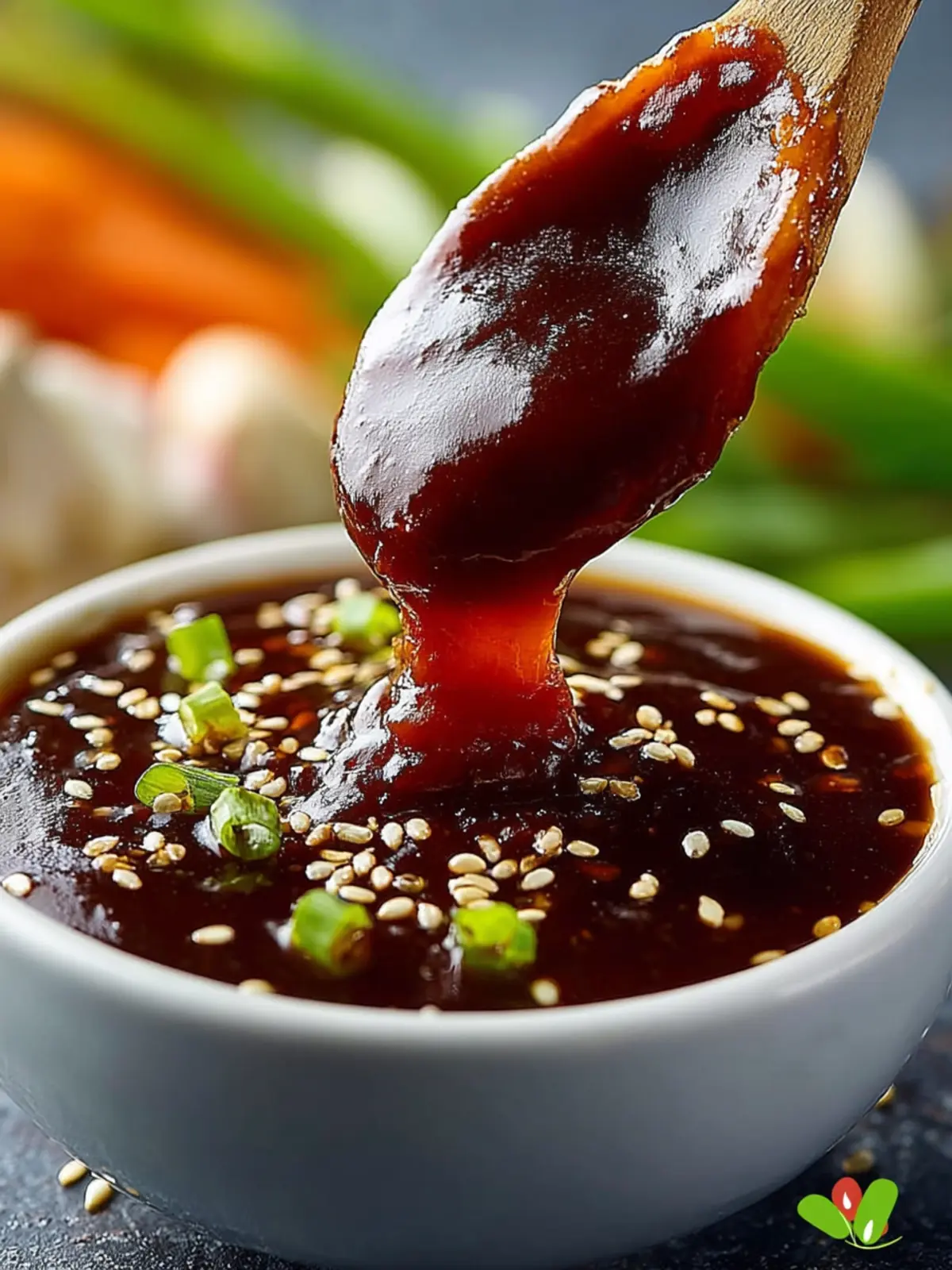
Key Ingredients for Homemade Hoisin Sauce
Soy Sauce
At the heart of homemade hoisin sauce is soy sauce, delivering that essential umami flavor we all crave. Opt for a low-sodium version if you prefer a lighter taste while still maintaining the rich, savory base it provides.
Peanut Butter
For a delightful creaminess and some nutty undertones, peanut butter is a must. It ties all the flavors together beautifully. If you’re looking for a nut-free alternative, sunflower seed butter works remarkably well!
Rice Vinegar
This ingredient adds a touch of tanginess to the sauce, balancing out the sweetness. Keep it on hand; it also enhances other Asian dishes you might whip up down the line.
Brown Sugar
To create that characteristic sweetness associated with homemade hoisin sauce, brown sugar is key. It gives a lovely depth compared to granulated sugar, making your sauce extra special.
Garlic Powder
Garlic powder lends a warm, aromatic flavor to the mix. Fresh garlic is a delicious substitute if you prefer a punchier taste, but powder offers convenience and longevity.
Five-Spice Powder
This aromatic blend of spices imparts an authentic flavor profile to the sauce. If you love cooking Asian cuisine, it’s a blend worth keeping on your spice rack!
Why You’ll Love This Recipe
If you’ve ever been captivated by the rich, complex flavor of homemade hoisin sauce but found store-bought options lacking, this recipe is your ticket to a culinary adventure. Imagine slathering your favorite dishes with a sauce that you create from scratch, filled with authentic flavors that truly satisfy your taste buds.
A Symphony of Flavors
Creating your own homemade hoisin sauce is not just about the ingredients; it’s about crafting a taste experience. Each element—from the soy sauce to the rich garlic—plays a pivotal role, harmonizing perfectly to create a sauce that resembles your favorite Asian takeout, but is fresher and healthier.
Customization at Your Fingertips
With this recipe, you get to control the ingredients, letting you adjust sweetness, spice, or saltiness to perfectly suit your palate. Whether you prefer a hint of heat or a deeper umami flavor, you have the freedom to create.
Quick and Easy
Despite its complex flavor profile, this sauce is surprisingly simple to make. In just a few minutes, you can whip up a batch that will elevate your stir-frys, marinades, and even dipping sauces. When you serve dishes drizzled with your homemade hoisin sauce, you’ll not only impress your friends but also indulge in the satisfaction of having made something delicious from scratch.
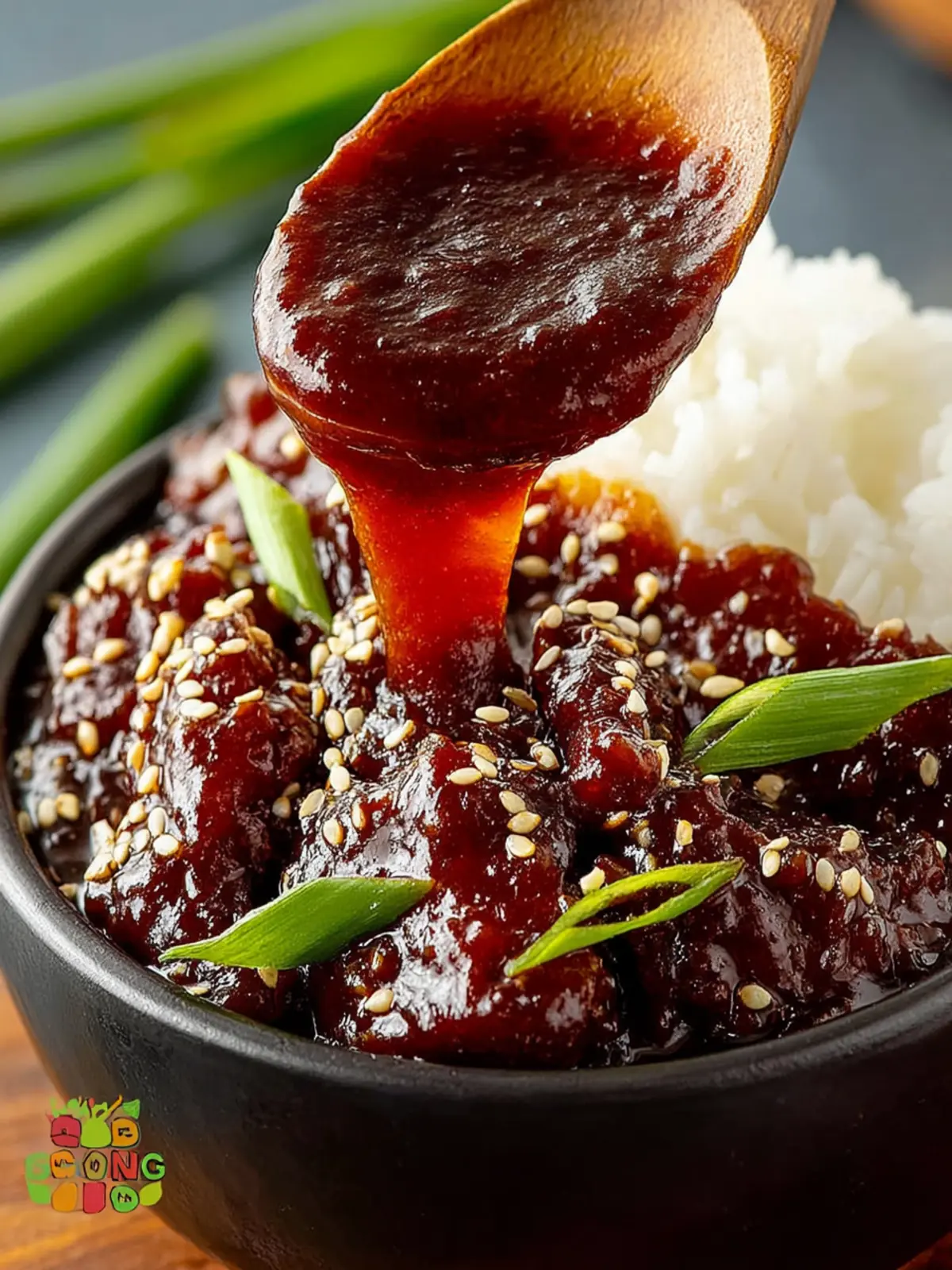
Variations of Homemade Hoisin Sauce
Exploring homemade hoisin sauce can lead you down a delicious rabbit hole of variations that cater to different taste preferences and dietary needs. Each spin on the classic recipe brings a unique twist, allowing you to elevate your dishes even further.
Sweet and Spicy Twist
For those who crave extra zing, incorporate a teaspoon of sriracha or chili paste. This addition balances the sweetness with heat and adds a delightful complexity perfect for stir-fries or grilled meats.
Gluten-Free Version
If gluten is a concern, consider using tamari instead of soy sauce. It has a similar flavor but is made without wheat. This subtle change maintains the earthy essence of homemade hoisin sauce while accommodating a gluten-free diet.
Citrus Infusion
Adding a splash of fresh orange or lime juice can brighten up the sauce, giving it a zesty kick. This variation is fantastic as a glaze for roasted vegetables or as a dipping sauce for spring rolls.
Nutty and Rich
Don’t shy away from enhancing the sauce’s richness by incorporating a tablespoon of peanut butter or sesame oil. This nutty flavor deepens the profile, making it a mouthwatering addition to Asian-inspired dishes.
Experimenting with these variations will not only keep your taste buds excited but also help you customize homemade hoisin sauce to fit any meal. Happy cooking!
Cooking Tips and Notes
Creating your own homemade hoisin sauce is a delightful culinary journey that elevates your dishes beyond the ordinary. Here are some tips to make the most of your sauce-making experience.
Start with Quality Ingredients
Using fresh, high-quality ingredients can drastically enhance the flavor profile of your homemade hoisin sauce. Try to source organic soy sauce and consider using fresh garlic instead of garlic powder for a more robust taste.
Add a Personal Touch
Feel free to customize your sauce based on your flavor preferences. Add a dash of chili paste for heat or a sprinkle of sesame oil for depth. It’s all about making the sauce uniquely yours!
Storage Matters
Once you’ve whipped up a batch of homemade hoisin sauce, store it in an airtight container in the fridge. This way, it can last for about a week. Not only will this save you time for future meals, but the flavors will deepen as it sits.
Perfect Pairing
This sauce isn’t just for stir-fries! Use it as a marinade for meats, a glaze for roasted vegetables, or even as a dip for spring rolls. The versatility of your homemade hoisin sauce can transform a simple meal into an exciting dining experience.
Taste As You Go
Don’t hesitate to taste your sauce as you mix. Adjust the sweetness, saltiness, or tanginess to match your personal palate. Cooking is as much about exploration as it is about following a recipe!
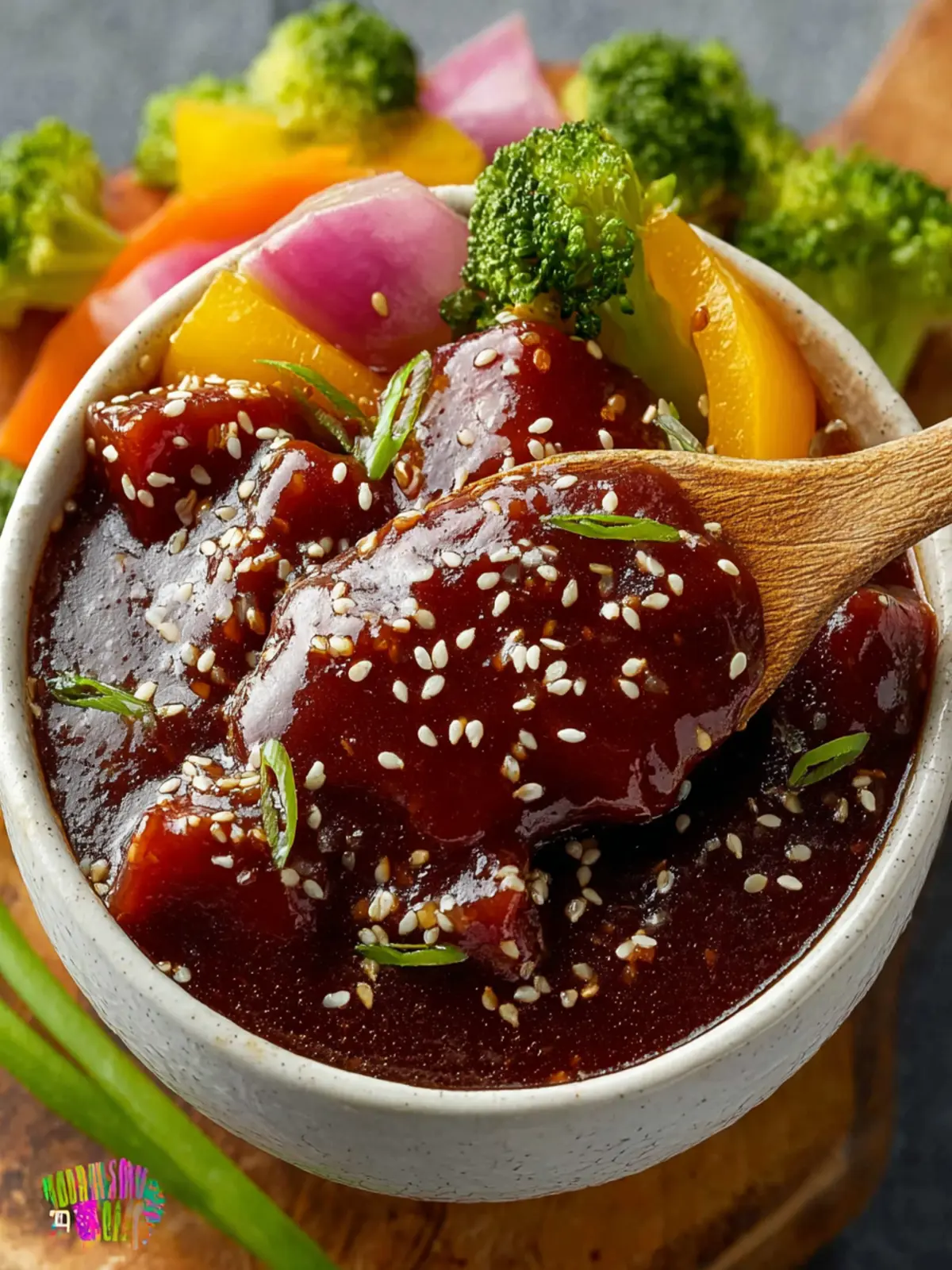
Serving Suggestions
Making homemade hoisin sauce opens up a world of culinary possibilities you might not have considered before. This versatile sauce can weave its way into many dishes, bringing a touch of umami and sweetness to everyday meals.
Here are some creative serving suggestions to explore:
-
Stir-Fried Euphoria: Drizzle your homemade hoisin sauce over a colorful medley of stir-fried vegetables or proteins like chicken, tofu, or beef. It elevates the dish from good to extraordinary.
-
Tasty Dipping Sauce: Pair it with fresh spring rolls or crispy wontons as a delightful dip. The sweet and savory notes complement the crunch, making it irresistible.
-
Savory Glaze: Brush your hoisin sauce on grilled meats or roasted vegetables during the last few minutes of cooking. The caramelization creates a sticky, flavorful glaze that enhances any dish.
-
Elevated Marinade: Mix your homemade hoisin sauce with soy sauce and sesame oil for a quick marinade. It’s perfect for overnight soaking for skewers or grilled chicken.
With your homemade hoisin sauce, each meal becomes a unique experience waiting to unfold!
Time Breakdown for Homemade Hoisin Sauce
Creating your own homemade hoisin sauce is a rewarding experience that takes only a short amount of time. You’ll find yourself amazed by how effortlessly you can whip up this flavorful condiment right in your kitchen.
Preparation time
Spend just 10 minutes gathering your ingredients and mixing them together. It’s a quick and straightforward process that anyone can master, even after a long day at work.
Cooking time
You’ll need an additional 2 minutes to heat the mixture on the stove, allowing the flavors to blend beautifully. This step transforms the sauce from a simple blend to a complex flavor delight.
Total time
In total, you’re looking at approximately 12 minutes from start to finish. That’s hardly any time at all, especially considering you’ll have fresh, homemade hoisin sauce at your fingertips.
Nutritional Facts for Homemade Hoisin Sauce
Creating your own homemade hoisin sauce not only elevates your dishes but also allows you to be mindful of what you’re consuming. So, let’s break down the nutritional facts that may pique your interest.
Calories
In just one tablespoon of homemade hoisin sauce, you’ll find approximately 40 calories. This makes it a flavorful addition without overwhelming your calorie count.
Protein
Surprisingly, homemade hoisin sauce isn’t a significant source of protein. Each tablespoon contains about 0.5 grams of protein, so don’t rely on it for your protein intake.
Sodium
One of the key points to note is sodium content. A tablespoon of homemade hoisin sauce contains roughly 370 mg of sodium. If you’re watching your sodium levels, consider using it sparingly or balancing it with lower-sodium options in your meals.
FAQs About Homemade Hoisin Sauce
Embarking on the journey of creating homemade hoisin sauce opens up a world of flavor and customization that store-bought versions often can’t match. Many home cooks find themselves asking a variety of questions as they delve into this delicious endeavor.
Can I use a different nut butter?
Absolutely! While the classic recipe often calls for peanut butter, you have the flexibility to experiment with other nut butters like almond or cashew for a unique twist. Just be mindful that different nut butters can alter the flavor slightly and may have varying consistencies. If you prefer a nut-free option, sunflower seed butter works great too!
How long can I store homemade hoisin sauce?
Your homemade hoisin sauce can be stored in the refrigerator for up to two weeks. Make sure to keep it in an airtight container to preserve its flavor and aroma. If you find yourself with more sauce than you can use, consider freezing it in ice cube trays for easy portioning later on. Just thaw what you need and enjoy!
What dishes pair well with hoisin sauce?
The versatility of homemade hoisin sauce is one of its best features. It shines in stir-fries, marinades, and glazes, and it can elevate the flavors of grilled meats, roasted vegetables, and even spicy noodle dishes. It also makes for a great dipping sauce for spring rolls or dumplings. The options are endless, making this sauce a staple in your kitchen!
Conclusion on Homemade Hoisin Sauce
Creating your own homemade hoisin sauce can transform your cooking experience, elevating stir-fries, marinades, and dipping sauces to new heights. The fusion of sweet, savory, and umami flavors allows you to control the ingredients and tailor the sauce to your personal taste. With just a few simple components, you can whip up a batch that’s fresher and richer than any store-bought version. Whether you’re preparing a cozy dinner for two or a feast for friends, this versatile sauce will be your culinary secret weapon. Give it a try, and you might find yourself reaching for it in every meal!
Print
Homemade Soy Sauce Alternative
- Total Time: 15 minutes
- Yield: 1 cup 1x
- Diet: Vegetarian
Description
A delicious and versatile sauce great for stir-fry and dipping!
Ingredients
Scale
- 1/4 cup soy sauce
- 2 tablespoons peanut butter (or tahini)
- 2 tablespoons molasses
- 1 tablespoon rice vinegar
- 1 clove garlic, minced
- 1 teaspoon sesame oil
- 1/4 teaspoon Chinese five spice powder
- 1 teaspoon sriracha or chili paste (optional)
- 1 teaspoon honey or maple syrup (optional)
Instructions
- Measure and prepare all your ingredients before you begin.
- In a mixing bowl, whisk together soy sauce, peanut butter (or tahini), molasses, and rice vinegar until smooth.
- Add minced garlic, sesame oil, and Chinese five spice powder. Mix until fully combined.
- Taste the sauce. Add sriracha or chili paste for heat, and honey or maple syrup for extra sweetness if desired. Whisk again.
- For deeper flavor, simmer the mixture in a small saucepan over low heat for 3–5 minutes, stirring frequently.
- Allow the sauce to cool, then transfer it to a clean, airtight container. Store in the refrigerator.
Notes
- This sauce can be adjusted for sweetness or heat based on your preference.
- Great served with Asian dishes or as a marinade.
- Prep Time: 10 minutes
- Cook Time: 5 minutes
- Category: Sauces
- Method: Mixing
- Cuisine: Asian
Nutrition
- Serving Size: 2 tablespoons
- Calories: 50
- Sugar: 5
- Sodium: 200
- Fat: 2
- Saturated Fat: 0.5
- Unsaturated Fat: 1.5
- Trans Fat: 0
- Carbohydrates: 10
- Fiber: 0
- Protein: 2
- Cholesterol: 0